
Taking magnesium with vitamin B6 is a sensible choice for many health-conscious adults, particularly those with low magnesium levels, high stress, or poor dietary intake. An 8-week Phase IV randomised trial found that 300 mg of magnesium daily improved stress and quality of life in adults with suboptimal serum magnesium, and adding 30 mg of vitamin B6 produced greater early improvements in some physical and wellbeing measures. Read on for practical dosing guidance, a breakdown of the evidence, safety notes, and a UK-specific buying checklist.
Key takeaways
Magnesium with vitamin B6 offers the clearest benefit for adults with low magnesium levels or high stress, using around 300 mg elemental magnesium and modest B6 daily for at least 8 weeks.
| Point | Details |
|---|---|
| Evidence is population-specific | The primary RCT used adults with low-normal magnesium and elevated stress; results apply most directly to that group. |
| Trial dose reference | 300 mg elemental magnesium plus 30 mg B6 daily over 8 weeks is the most cited clinical dose. |
| B6 safety limit | For daily supplementation, 2–10 mg B6 per serving is the sensible range; prolonged high-dose B6 carries neuropathy risk. |
| Choose bisglycinate | Bisglycinate offers better GI tolerance than oxide and is the preferred form for recovery and sleep use cases. |
| Runcomplete Ready | A UK-made magnesium bisglycinate capsule with clear elemental Mg labelling, modest B6, and no unnecessary fillers. |
Table of Contents
- What can magnesium plus vitamin B6 do for you?
- What does the research actually show?
- Who is likely to benefit, and who probably isn’t?
- What doses are used in trials, and which magnesium forms should you look for?
- Is magnesium with vitamin B6 safe? Side effects and interactions
- How and when should you take magnesium and B6?
- How to choose a safe, effective magnesium and B6 supplement in the UK
- Why magnesium bisglycinate stands out for tolerance and recovery
- A practical perspective on magnesium and B6
- Runcomplete Ready: a UK-made bisglycinate option worth considering
- Sources
What can magnesium plus vitamin B6 do for you?
Magnesium sits at the centre of more than 300 enzymatic reactions in the body. It stabilises muscle and nerve cell membranes, supports ATP energy production, and helps regulate electrolyte balance. Vitamin B6, in its active form pyridoxal-5’-phosphate (PLP), is a coenzyme in neurotransmitter synthesis, including serotonin and GABA, and it supports the conversion of tryptophan to niacin. The pairing is not arbitrary: B6 supports cellular magnesium uptake, and magnesium in turn helps activate B6 to its functional PLP form.
The practical outcomes where evidence is reasonably consistent:
- Reduced tiredness and fatigue — magnesium contributes to normal energy-yielding metabolism; deficiency is associated with fatigue
- Muscle and nerve function — magnesium is required for normal muscle contraction and nerve signal transmission
- Stress and mood — the combination shows modest but consistent benefits in people with elevated stress scores and low magnesium
- PMS symptom relief — randomised trials show modest reductions in mood-related and physical PMS symptoms when the pair is used
Where the evidence is thinner or mixed:
- Sleep quality in generally healthy, well-nourished adults (effects are more consistent in those with deficiency or poor sleep linked to stress)
- Muscle cramps in athletes without documented deficiency
- Cardiovascular or metabolic benefits in people with normal magnesium status
That last point is worth holding onto. Magnesium supplements add most value when correcting a deficiency rather than as a universal energiser for well-nourished people. The combination with B6 does not change that calculus fundamentally, though it may offer an edge for stress and PMS.
What does the research actually show?
The primary trial
The most cited evidence is an 8-week Phase IV randomised, investigator-blinded, parallel-group trial in adults with a DASS-42 stress score above 18 and serum magnesium between 0.66 and 0.84 mmol/L. Participants received either 300 mg magnesium alone or 300 mg magnesium plus 30 mg vitamin B6 daily. Both groups improved on stress and quality-of-life measures, but the combination arm showed greater early improvements in some physical-role and QoL scores, particularly in the subgroup with the most severe stress at baseline.
A secondary analysis from the same programme found that adding B6 markedly increased serum B6 levels and produced greater symptom change in some subgroups, though the precise mechanism remains under investigation.
| Study | Population | Dose | Duration | Primary outcome |
|---|---|---|---|---|
| Phase IV RCT (Magne B6 trial) | Adults, DASS-42 >18, serum Mg 0.66–0.84 mmol/L | Mg 300 mg ± B6 30 mg daily | 8 weeks | Stress, anxiety, QoL (DASS-42, SF-36) |
| Secondary analysis (RCT subgroup) | High-stress subgroup from above | Same as above | 8 weeks | Severe stress scores, serum B6 and Mg |
What the evidence does and doesn’t tell us
The trial population was specifically selected for low-normal magnesium and elevated stress. That matters. Applying these results to a well-nourished adult with normal serum magnesium and no particular stress burden is a stretch. Other limitations worth noting:
- Relatively small samples and short durations
- Reliance on subjective symptom scales (DASS-42, SF-36)
- Outcomes driven largely by the low-magnesium subgroup
- Limited long-term follow-up data
The secondary analysis from the Cambridge Nutrition Society proceedings adds nuance: the benefit of adding B6 was most visible in those with the highest stress scores, not across the whole trial population.
Who is likely to benefit, and who probably isn’t?
Groups most likely to see a real difference
- People with documented low magnesium (serum Mg below 0.85 mmol/L) — the trial evidence is most directly applicable here
- Adults with high subjective stress — particularly those meeting criteria similar to the trial population (DASS-42 score above 18)
- People with PMS — modest but consistent evidence for reduced mood and physical symptoms
- Those with poor dietary magnesium intake — common in people eating low-vegetable, high-processed-food diets
- Recreational runners and active adults — magnesium losses through sweat can contribute to suboptimal status over time
Groups unlikely to benefit much
- Adults eating a varied, nutrient-rich diet with normal serum magnesium and no specific symptoms
- People already supplementing with adequate magnesium in a well-absorbed form
- Those expecting a significant energy boost without any underlying deficiency
When to stop and see a GP or pharmacist
- Kidney disease of any severity: magnesium excretion depends on renal function, and supplementation can cause accumulation
- Symptoms of peripheral neuropathy (tingling, numbness in hands or feet) after starting B6 supplementation
- Taking prescription medicines that interact with magnesium or B6 (see the safety section below)
- No improvement after 8–12 weeks at a sensible dose
What doses are used in trials, and which magnesium forms should you look for?
Doses from the evidence
The primary trial used a moderate clinical dose of elemental magnesium with vitamin B6 daily. Typical UK supplements vary in magnesium and B6 content within a moderate range.
Reading the label correctly matters here. Supplement labels often state the salt weight rather than the elemental magnesium content. Always check the “of which magnesium” figure, not the total compound weight.
Comparing the common forms
Magnesium bisglycinate (also called magnesium glycinate): An amino-acid chelate where magnesium is bound to two glycine molecules. The glycine ligands reduce the osmotic effect in the gut, which lowers the risk of loose stools compared with ionic salts. Well-absorbed and generally well tolerated, making it a practical choice for daily use and sleep or recovery contexts. See the magnesium glycinate vs citrate comparison for a fuller breakdown.

Magnesium citrate: Good bioavailability and reasonably well tolerated, though higher doses can have a mild laxative effect. A solid option if bisglycinate is unavailable or cost is a concern.
Magnesium malate: Bound to malic acid; some evidence for muscle-related use cases, though less studied than citrate or bisglycinate.
Magnesium oxide: High elemental magnesium percentage by weight but poor bioavailability. Common in cheaper products. Not the best choice if absorption and tolerability matter to you.
Pro Tip: When checking a label, look for the elemental magnesium figure per serving, not the total compound weight. A product listing “500 mg magnesium bisglycinate” with no elemental breakdown is giving you incomplete information.
Is magnesium with vitamin B6 safe? Side effects and interactions
Common side effects
Loose stools and mild nausea are the most frequent complaints, particularly at higher doses or with oxide-based products. Starting with a lower dose (100–150 mg elemental magnesium) and taking it with food usually resolves this. If GI symptoms persist after a week, switching to bisglycinate or citrate often helps.
Vitamin B6 upper limits
Chronic high-dose vitamin B6 supplementation carries a genuine risk of peripheral sensory neuropathy. EFSA’s dietary reference values for vitamin B6 identify plasma PLP as the preferred biomarker for B6 status and set adult Population Reference Intakes at approximately 1.6–1.7 mg per day. The UK’s Food Standards Agency and the NHS advise against taking more than 10 mg of B6 per day from supplements unless under medical supervision, as prolonged use above this level has been linked to nerve damage. The 30 mg dose used in the Magne B6 trial was a supervised clinical setting; for everyday supplementation, products with 2–10 mg B6 per serving are a more cautious choice.
Drug interactions
| Drug class | Interaction risk | What to do |
|---|---|---|
| Tetracycline antibiotics | Magnesium binds to tetracyclines, reducing antibiotic absorption | Separate doses by at least 2–3 hours |
| Bisphosphonates (e.g. alendronate) | Mineral binding reduces bisphosphonate absorption | Take bisphosphonate on an empty stomach, separate from magnesium by 2+ hours |
| Thyroid medications (e.g. levothyroxine) | Magnesium can impair levothyroxine absorption | Separate by at least 4 hours |
| Quinolone antibiotics (e.g. ciprofloxacin) | Chelation reduces antibiotic efficacy | Separate by 2–4 hours |
| Anticonvulsants / mood stabilisers | Variable; individual assessment needed | Consult prescriber before starting |
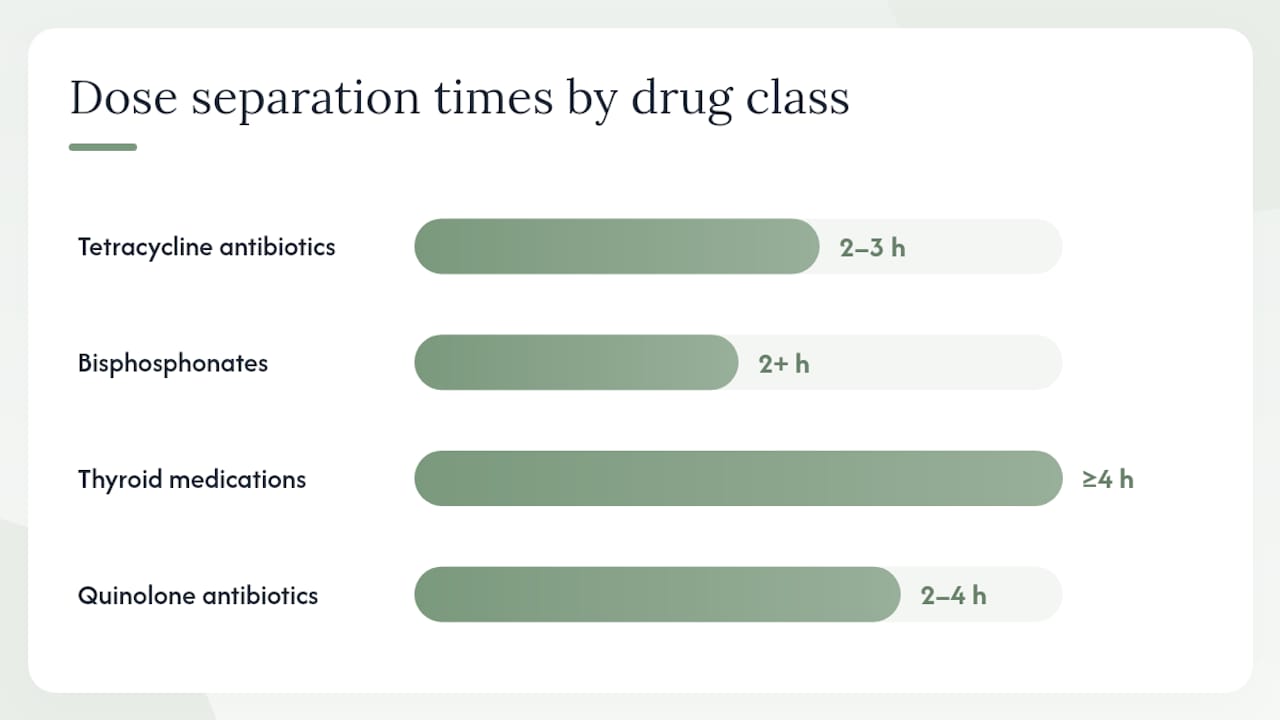
The BNSSG NHS oral magnesium supplementation guide advises separating magnesium from mineral-binding prescription drugs by a few hours to avoid absorption interference and recommends monitoring for GI effects and renal impairment.
On lamotrigine specifically: Clinical interaction databases report no established direct interaction between magnesium supplements and lamotrigine. That said, evidence on supplement-drug combinations is often incomplete, and anyone taking lamotrigine or other anticonvulsants should check with their prescriber before adding magnesium. For more detail on magnesium side effects and interactions, the Runcomplete guide covers the most common concerns.
How and when should you take magnesium and B6?
Getting the timing and approach right makes a meaningful difference to both tolerability and effect.
- Start with a conservative dose. Begin at 100–150 mg elemental magnesium per day for the first week, then increase to your target dose if no GI issues arise.
- Take it with a meal. Food slows gastric emptying and reduces the chance of nausea or loose stools. The practical guidance on taking magnesium with food is worth reading if you’re unsure about timing.
- Consider an evening dose. Magnesium’s role in muscle relaxation and nervous system regulation makes an evening dose a practical choice for those using it to support sleep or post-exercise recovery.
- Split the dose if needed. If you’re taking 300 mg or more, splitting into two doses (morning and evening) reduces the GI load and may improve absorption.
- Allow 4–8 weeks before judging the effect. The primary trial observed meaningful changes over this window. Don’t write it off after a fortnight.
- Monitor your response. Improved sleep quality, reduced muscle tension, and lower subjective stress are the most commonly reported benefits. If none of these shift after 8 weeks at a sensible dose, consider whether supplementation is addressing the right issue.
Pro Tip: Separate magnesium from any mineral-binding prescription drugs by 2–4 hours. This simple step preserves both the drug’s efficacy and the supplement’s absorption, and it costs nothing.
How to choose a safe, effective magnesium and B6 supplement in the UK
The UK supplement market is large and variable in quality. Here is what to check before buying:
- Elemental magnesium per serving: Look for this figure explicitly on the label. Aim for 150–300 mg elemental magnesium per day from supplements, depending on your dietary intake.
- Magnesium form: Bisglycinate or citrate for better absorption and tolerability. Avoid products where the form is unspecified or listed only as “magnesium” with no further detail.
- Vitamin B6 amount: 2–10 mg per serving is a sensible range for daily use. Products containing 50 mg or more of B6 per serving are worth avoiding unless prescribed.
- No proprietary blends hiding elemental Mg: If the label shows a blend weight but not the individual magnesium content, you cannot verify what you’re actually getting.
- UK manufacture: Products made in the UK are subject to UK food supplement regulations and are generally easier to verify for quality.
- Capsule vs tablet: Capsules typically contain fewer binders and fillers; relevant if you prefer a cleaner formulation.
- Vegetarian and vegan suitability: Check the capsule shell material if this matters to you. Hydroxypropyl methylcellulose (HPMC) capsules are plant-based.
- Subscription options: If you plan to take magnesium consistently, a subscription model reduces cost and the risk of running out mid-cycle.
For a detailed buying guide to magnesium bisglycinate in the UK, Runcomplete’s guide covers label reading and formulation comparisons in more depth.
Red flags to avoid:
- Excessive B6 (above 50 mg per serving)
- Unspecified magnesium form
- Proprietary blends with no elemental Mg disclosure
- Claims of guaranteed sleep improvement or stress elimination
Why magnesium bisglycinate stands out for tolerance and recovery
Among the forms available in UK supplements, bisglycinate is the one most consistently recommended by practitioners for people prioritising GI tolerance and steady absorption. The glycine chelation reduces the osmotic laxative effect that makes oxide and some citrate products problematic at higher doses. For runners and active adults using magnesium primarily for sleep quality and muscle recovery, this matters: you want the dose to stay down and absorb, not accelerate gut transit.
What to look for on a bisglycinate label:
- Elemental magnesium stated clearly (not just the compound weight)
- Modest B6 content (2–10 mg), not a high isolated B6 dose
- Minimal excipients: no unnecessary fillers, anti-caking agents, or artificial colours
- HPMC or similar plant-based capsule shell for vegan suitability
- UK manufacture for regulatory traceability
Pro Tip: Prefer brands that state elemental magnesium per serving and include a modest B6 amount rather than a high isolated B6 dose. A product with 200 mg elemental magnesium and 5 mg B6 per capsule is more useful day-to-day than one with 50 mg B6 and an unclear magnesium figure.
The magnesium glycinate benefits guide goes further on why the glycinate form is particularly relevant for recovery-focused use.
A practical perspective on magnesium and B6
The evidence for magnesium with vitamin B6 is genuinely useful, but it is easy to overread it. The trial that gets cited most often was conducted in people with both elevated stress and low-normal magnesium. If you match that profile, a modest daily dose is a reasonable, low-risk intervention. If you eat well, sleep reasonably, and have no particular symptoms, the benefit is likely marginal.
What I find more interesting than the headline trial results is the subgroup data: the people who saw the most consistent improvement were those with the highest stress scores and the lowest magnesium at baseline. That is a useful filter. Before reaching for a supplement, it is worth asking whether your diet is actually supplying enough magnesium (dark leafy greens, nuts, seeds, wholegrains) and whether your stress is the kind that a mineral supplement can plausibly address.
The B6 component is worth treating with some caution. The 30 mg dose in the trial was a supervised clinical context. For everyday use, 2–10 mg alongside magnesium is adequate and avoids the neuropathy risk that comes with prolonged high-dose B6. The EFSA guidance on B6 reference intakes is clear on this.
Conservative dosing, a well-absorbed form, and a realistic 8-week trial period: that is the pragmatic approach. If you are on prescription medication, particularly anticonvulsants, thyroid drugs, or antibiotics, check with your GP or pharmacist before starting. Kidney disease is a hard stop without medical supervision.
Runcomplete Ready: a UK-made bisglycinate option worth considering
If the buying checklist above describes what you’re looking for, Runcomplete’s Ready supplement is worth a look. It uses magnesium bisglycinate, states elemental magnesium per serving clearly, and is made in the UK. The capsule formulation is free of unnecessary fillers and suitable for vegetarians and vegans. B6 content sits within the sensible daily range rather than the high isolated doses found in some products.

Ready is designed specifically for everyday runners and active adults who want to support muscle recovery, reduce cramps, and improve sleep quality without a complicated supplement stack. It is available as a one-time purchase or on a monthly subscription, with a 30-day guarantee if it doesn’t suit you.
If you want a supplement that matches the practical checklist in this guide, explore Runcomplete Ready and see whether it fits your routine.
Sources
- Effect of magnesium and vitamin B6 supplementation on mental health and quality of life in stressed healthy adults: Post‐hoc analysis of a randomised controlled trial
- Dietary Reference Values for vitamin B6
- Magnesium is essential, but supplements have limited benefits in healthy people. Here’s what the science says
- Vitamin B6 and Magnesium Interaction — What You Need to Know | Pilora
- Oral magnesium supplementation guide (BNSSG) — update 2023
This article is for general information only and is not a substitute for professional medical advice. If you are taking prescription medicines, have kidney disease, or are pregnant or breastfeeding, consult your GP or pharmacist before starting any supplement.

